
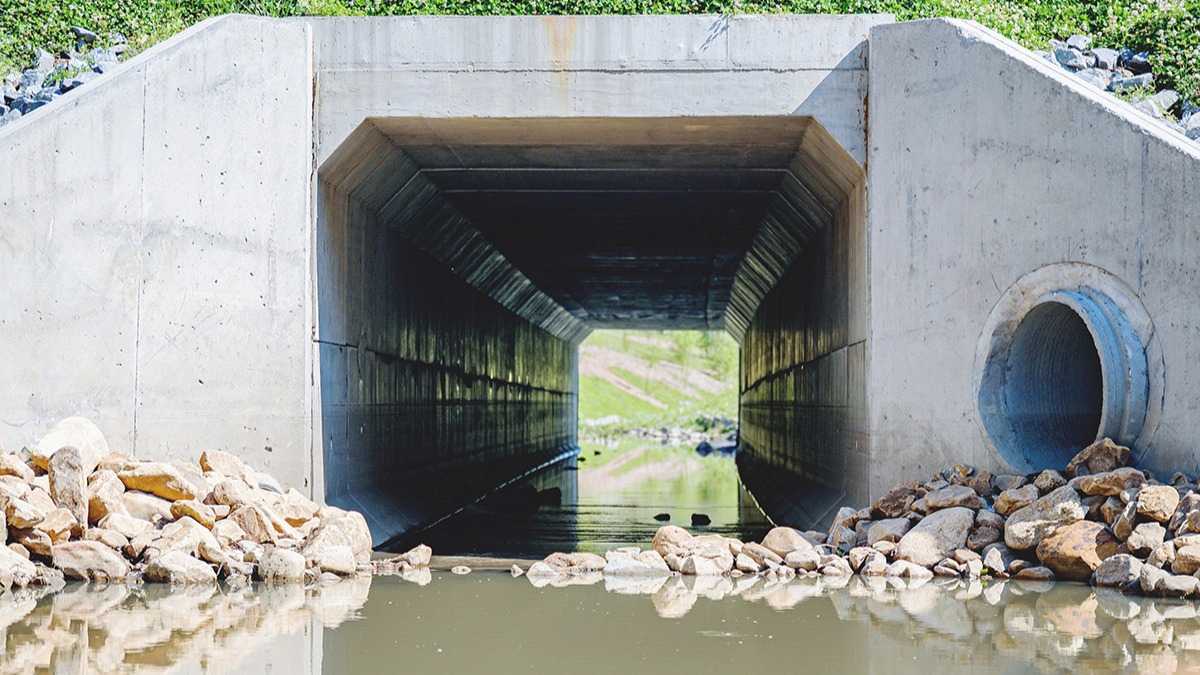
Culvert maintenance represents one of the most critical aspects of infrastructure management, yet it often receives insufficient attention until costly failures occur. These underground water management systems serve as the backbone of our transportation networks, channeling water safely beneath roads, railways, and other structures. When culverts fail, the consequences extend far beyond simple water flow disruption, potentially causing catastrophic road damage, environmental harm, and significant public safety risks.
Understanding the intricacies of culvert maintenance and repair techniques can mean the difference between proactive infrastructure management and reactive crisis response. This comprehensive guide explores the three primary areas of culvert maintenance: void filling to address undermining, underwater concrete repair, and active leak stopping solutions.
Understanding Culvert Undermining and Void Filling Solutions
Undermining poses perhaps the greatest threat to culvert structural integrity. This process begins when water infiltrates beneath or behind culvert structures, systematically eroding the supporting soil foundation. The resulting voids compromise both the culvert’s stability and the overlying roadway, creating potentially dangerous conditions that can lead to sudden infrastructure collapse.
The challenge of undermining lies in its often invisible nature. Surface indicators may be minimal until significant structural damage has occurred. Water follows the path of least resistance, and once it finds a way around or under a culvert, it continues to carve away supporting materials. This process accelerates during heavy rainfall or flooding events, when increased water pressure and volume can rapidly expand existing voids.
Early detection through comprehensive inspection programs proves essential for preventing catastrophic failures. Visual assessments provide valuable baseline information, while ground-penetrating radar offers insight into subsurface conditions that might otherwise go unnoticed. These inspection techniques help identify problem areas before they compromise structural integrity.
The remediation process requires specialized materials capable of penetrating void spaces and providing long-term stability. Products like Euclid Tremie Grout offer excellent flowability and strength characteristics, making them ideal for filling irregular void spaces beneath culvert structures. This hydraulic cement-based material can be placed underwater or in wet conditions, expanding the range of repair scenarios where it can be effectively deployed.
Similarly, Sikagrout 212 provides another effective solution for void filling applications. This non-shrink grout maintains its volume during curing, ensuring complete void filling without creating new weak points. Its ability to achieve high early strength makes it particularly valuable in situations where rapid load-bearing capacity is required.
Proper void filling technique involves more than simply pumping grout into empty spaces. The process requires careful consideration of injection pressures, material flow characteristics, and curing conditions. Too much pressure can cause additional damage to weakened structures, while insufficient pressure may result in incomplete void filling. Experienced technicians understand these nuances and adjust their approach based on specific site conditions.
✨ Looking for help fixing your culvert?
We’re here to answer all of your questions about culvert repair, or any of the other products we carry.
Underwater Concrete Repair Challenges and Solutions
Many culverts operate in environments where dewatering proves impractical or impossible. These wet conditions present unique challenges for maintenance professionals, as traditional concrete repair materials often fail to bond effectively with saturated surfaces. The result can be inadequate repairs that fail prematurely, leading to recurring problems and escalating costs.
Underwater concrete repair requires specialized materials engineered to cure and adhere in continuously moist environments. These advanced formulations overcome the traditional challenges associated with wet surface bonding, providing durable repair solutions that can withstand the harsh conditions typical of culvert environments.
The application process for underwater repairs demands careful attention to surface preparation and material placement techniques. Unlike conventional concrete work, underwater repairs cannot rely on surface drying or controlled curing environments. Instead, the repair materials must be formulated to displace water and create strong bonds despite adverse conditions.
Euclid Speed Crete Blue Line represents an excellent example of underwater repair technology. This rapid-setting material can be applied by hand or through specialized placement methods, allowing technicians to address a wide range of repair scenarios. Its ability to set quickly underwater makes it particularly valuable for emergency repairs where extended work windows are not available.
The versatility of modern underwater repair materials extends beyond simple crack filling. These products can rebuild deteriorated concrete sections, seal large openings, and restore structural capacity to damaged culvert walls. The key lies in selecting the appropriate material for specific conditions and applying it using proven techniques.
Surface preparation remains crucial even in underwater applications. Loose concrete, debris, and contaminated materials must be removed to ensure proper bonding. This preparation work may require specialized tools and techniques adapted for underwater use, but the investment in proper preparation pays dividends in repair longevity.
Active Leak Stopping: Immediate Response to Water Infiltration
Active leaks in culvert structures create urgent maintenance situations that require immediate intervention. Unlike static cracks or minor seepage, active leaks involve flowing water under pressure, making conventional repair approaches ineffective. These dynamic conditions demand specialized materials and techniques designed to stop water flow while creating permanent seals.
The consequences of untreated active leaks extend far beyond the immediate water infiltration. Continuous water flow accelerates concrete deterioration through chemical attack and physical erosion. Freeze-thaw cycles in colder climates compound this damage, creating expanding ice that can widen cracks and accelerate structural breakdown. The longer active leaks persist, the more extensive and expensive the ultimate repair becomes.
Traditional approaches to leak repair often require stopping water flow before applying repair materials, a requirement that may be impossible in many culvert applications. Dewatering systems, temporary diversions, and other flow control measures can be costly, time-consuming, and environmentally disruptive. Advanced leak-stopping materials eliminate these complications by working effectively even under active flow conditions.
SikaFix HH+ exemplifies the technology available for active leak stopping applications. This rapid-setting material can seal leaks even under significant hydrostatic pressure, expanding and hardening to create an impermeable barrier against water ingress. The material’s ability to work in flowing water conditions makes it invaluable for emergency repairs and situations where flow control is not feasible.
The application technique for active leak stopping requires understanding the specific leak characteristics and selecting the appropriate intervention strategy. Small, high-pressure leaks may require different approaches than large, low-pressure seepage areas. Experienced technicians assess each situation individually, selecting materials and techniques optimized for the specific conditions encountered.
Success in active leak stopping often depends on proper material mixing and rapid application. These materials typically have very short working times once activated, requiring technicians to work quickly and efficiently. Proper training and experience become critical factors in achieving successful outcomes.
Proactive Culvert Maintenance Strategies for Long-term Success
Effective culvert maintenance extends beyond reactive repairs to encompass comprehensive inspection and preventive maintenance programs. These proactive approaches can significantly extend infrastructure lifespan while reducing overall maintenance costs. The key lies in implementing systematic inspection schedules that identify potential problems before they become critical failures.
Regular inspection programs should incorporate both visual assessments and technological tools to provide complete condition evaluations. Surface inspections can identify obvious problems such as visible cracks, spalling concrete, or signs of soil erosion around culvert entrances. However, many significant issues develop within the culvert structure or in areas not readily visible from surface observations.
Ground-penetrating radar, structural monitoring systems, and other advanced diagnostic tools can reveal subsurface conditions and internal structural changes that might otherwise go unnoticed. These technologies enable maintenance professionals to identify developing problems while repair options remain cost-effective and minimally disruptive.
Documentation plays a crucial role in effective maintenance programs. Detailed inspection records, repair histories, and performance monitoring data create valuable databases that inform future maintenance decisions. This information helps identify patterns, predict failure modes, and optimize maintenance scheduling to maximize infrastructure value.
Training and expertise development represent essential investments in successful culvert maintenance programs. The specialized nature of underground infrastructure repair requires technicians who understand both the theoretical principles and practical applications of advanced repair materials and techniques. Ongoing education ensures that maintenance teams stay current with evolving technologies and best practices.
Environmental Considerations and Sustainability
Modern culvert maintenance increasingly emphasizes environmental protection and sustainability considerations. Repair activities often occur in or near sensitive water bodies, requiring careful attention to potential environmental impacts. Material selection, application techniques, and waste management practices all play roles in minimizing ecological disruption.
Many contemporary repair materials are formulated to meet stringent environmental standards while maintaining high performance characteristics. These eco-friendly options allow maintenance professionals to address infrastructure needs without compromising environmental stewardship responsibilities.
Sustainable maintenance practices also consider the long-term lifecycle impacts of repair decisions. Materials and techniques that provide extended service life reduce the frequency of future interventions, ultimately reducing cumulative environmental impacts. This lifecycle perspective encourages investment in high-quality repair solutions that deliver superior long-term performance.
Building Resilient Infrastructure Through Expert Maintenance
Culvert maintenance and repair represent critical components of infrastructure management that require specialized knowledge, appropriate materials, and proven techniques. The three primary maintenance areas of void filling, underwater concrete repair, and active leak stopping each present unique challenges that demand tailored solutions.
Success in culvert maintenance depends on understanding the underlying failure mechanisms, selecting appropriate repair materials, and implementing proper application techniques. Products like Euclid Tremie Grout, Sikagrout 212, Euclid Speed Crete Blue Line, and Sika SikaFix HH+ provide the performance characteristics necessary for effective repairs in challenging conditions.
Proactive maintenance strategies that emphasize regular inspection, early intervention, and comprehensive documentation can significantly extend culvert service life while minimizing total ownership costs. By investing in proper maintenance practices and advanced repair technologies, infrastructure managers can build resilient systems that serve communities safely and effectively for decades to come.
The future of culvert maintenance lies in continued technological advancement, improved materials, and enhanced understanding of infrastructure performance. By staying current with these developments and implementing best practices, maintenance professionals can ensure that our critical water management infrastructure continues to function reliably in an increasingly challenging environment.
Need Help Choosing the Waterstop?
We’re here to answer all of your questions about waterproofing, product compatibility, and application techniques. Get expert guidance for your specific project needs.
Professional Grade Products
Quality Customer Service
Technical Support